Fundraising & Growth
Build a Data Room That Doesn't Slow Your Deal
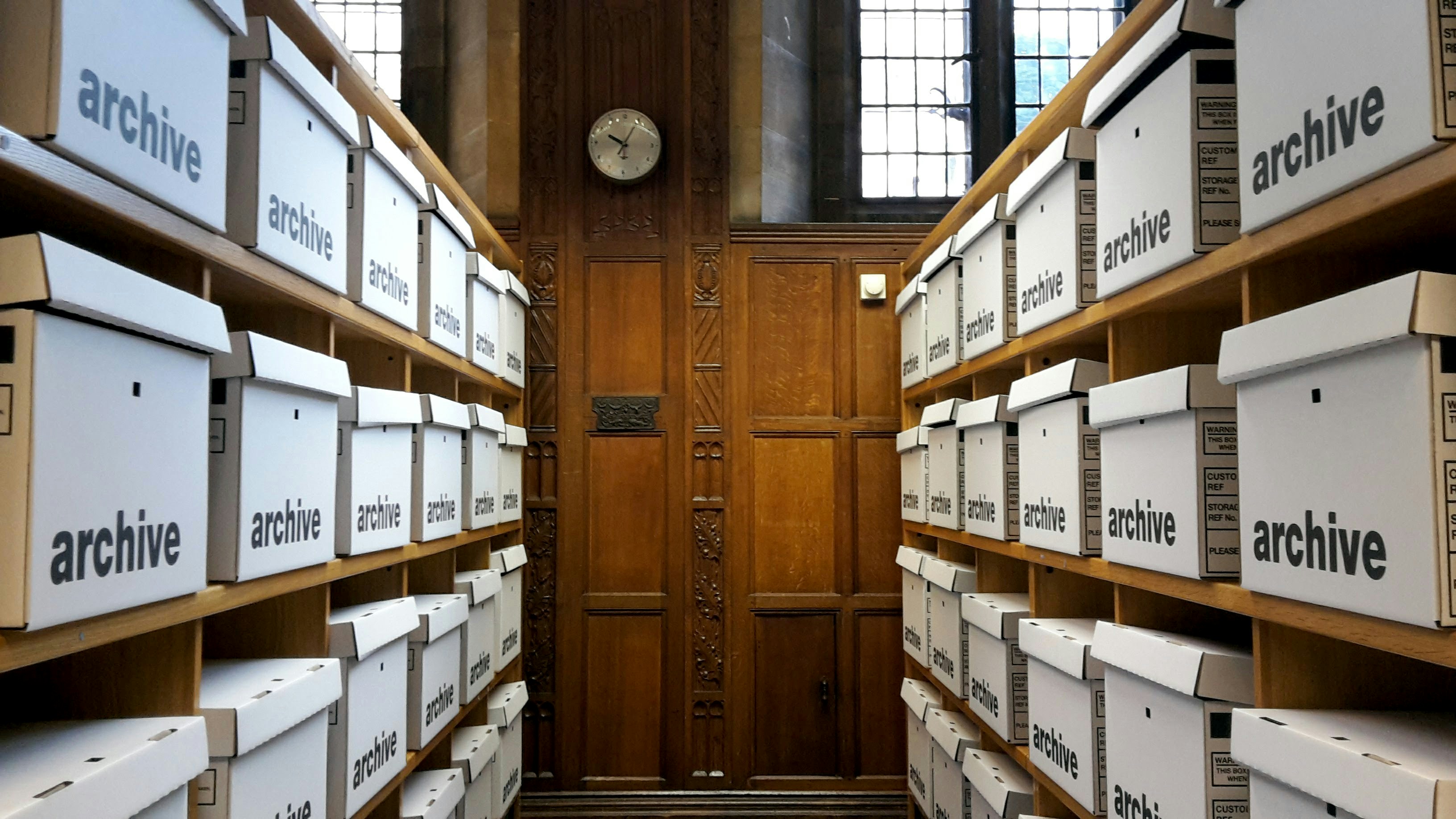
A data room is where fundraising processes are won or lost in the details. The pitch meeting gets you in the door; the data room determines whether the investor's confidence grows or erodes during diligence. A data room that's clean, complete, and well-organised tells a story about how the business is run. One that's disorganised, inconsistent, or incomplete tells a different story — and that story is almost always the wrong one to be telling at the moment you're asking someone to write a significant cheque.
Building a good data room is a structured process, not a creative one. Here's what it needs to contain and how to organise it.
The core document categories
A well-organised data room for a Series A process has six main sections. Corporate documents: your cap table, articles of incorporation, shareholder agreements, and any significant legal agreements. Financial documents: 12–18 months of monthly management accounts, your annual financial statements if applicable, and your current budget and financial projections. The financial model: the full model with assumptions visible and scenarios clearly labelled. Commercial documents: your customer contracts (redacted if necessary), your pricing schedule, and evidence of pipeline. Team documents: founder and senior team CVs, your organisational chart, and your option pool and key employee equity schedule. And market documents: your competitive landscape analysis and any third-party market research that supports your TAM narrative.
Each section should be complete before you share access. A data room with placeholder sections or 'coming soon' labels creates uncertainty rather than confidence.
Financial documents in detail
The financial documents section deserves the most attention because it's where investors and their analysts spend the most time. Your monthly management accounts should cover at least 12 months and should be presented in a consistent format — same line items, same categorisation, same methodology — every month. Any changes in methodology should be clearly documented and the prior-period comparatives restated.
Your financial projections should be in the same format as your historical financials, so that the bridge from actuals to projections is visible and the assumptions driving the growth are easy to identify. Projections in a different format or different level of detail from the historicals create an impression — often accurate — that they were built separately and not integrated with the historical financial picture.
The cap table
Your cap table should be fully up-to-date, including all options granted and unvested, all SAFEs and convertible notes with their conversion terms, and all existing shareholders with their ownership percentages on a fully diluted basis. Cap tables with errors or inconsistencies are one of the most common sources of diligence delays — and errors discovered by an investor's lawyer during legal diligence create a worse impression than errors discovered earlier. Use dedicated cap table software — Carta, Pulley, or similar — rather than a spreadsheet, and make sure it's reconciled to your legal documents.
Naming, version control, and access
Document naming convention sounds like a detail but affects the investor experience meaningfully. Files named 'Final v3 UPDATED', 'CrispyFinance P&L March', and 'Model NEW2' suggest a business that doesn't have strong document management. Files named with consistent date formats and clear descriptive titles suggest the opposite. Use a dedicated data room platform — Docsend, Notion, or a purpose-built virtual data room — rather than a shared Google Drive, and configure access tracking so you know which documents investors have spent time on.